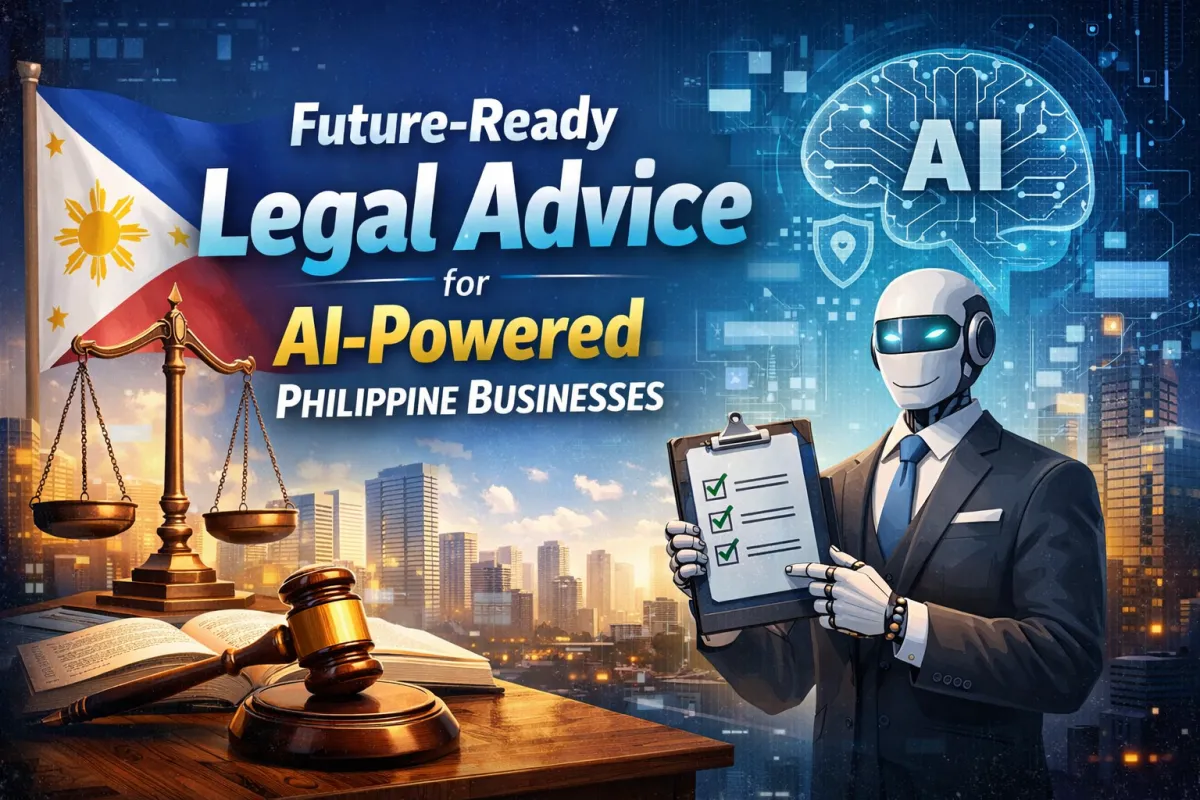
Future-Ready Legal Advice for AI-Powered Philippine Businesses
Guiding Philippine companies through AI adoption with practical, compliance-first legal counsel
Why Rapid AI Adoption Needs Legal Guidance Now
As Philippine businesses adopt AI technologies at unprecedented speeds, the competitive advantages are tremendous—but so are the potential dangers. The surge in automation and machine learning brings new privacy, compliance, and legal risks. Without proactive legal oversight, organizations risk substantial penalties, reputational harm, and expensive disputes rooted in non-compliance with the Data Privacy Act Philippines.
Formal guidance around AI compliance Philippines remains limited, leaving leaders to navigate uncertain territory. Most employers and executives are unprepared to identify or manage legal risks of AI. Early legal intervention is essential to future-proof business operations and avoid costly missteps.
5 Legal Risks Every Business Using AI Must Address
1. Data Privacy Act Compliance
AI tools collect and process personal data rapidly, increasing risks of accidental breach or unlawful processing. Compliance with the Data Privacy Act Philippines is unnegotiable.
Example: A retail chain uses AI for customer profiling, collecting names, contact info, and purchase patterns without updated consent forms or clear data mapping.
Update consents, map data, and supervise the data processors.

2. Employee Monitoring
Workplace AI surveillance can overreach, collecting sensitive staff information and exposing employers to privacy claims. Filipino workers have growing privacy expectations.
Example: A BPO implements AI for productivity analysis, recording employee keyboard activity, location, and webcam feeds—without sufficient policy notice.
- Enact a clear AI monitoring policy, provide notice, and ensure proportionality.
3. Intellectual Property
Training AI models on third-party data raises legal exposure for copyright, patent or trade secret infringement. Ownership of AI output may be contested too.
Example: An ecommerce firm generates marketing images using scraped artworks without proper license, exposing the brand to copyright claims.
Check licenses, Register Trademarks, add IP clauses to contracts.

4. Confidential Information
Entrusting sensitive information to external AI systems may result in data leaks, especially if those systems lack proper protections or store data overseas.
Example: A firm uploads client files to a generative AI platform without contractual data safeguards—client secrets may be exposed or repurposed.
- Encrypt, minimize uploads, and add strict confidentiality clauses.

5. Cross-Border Data Transfers
Cloud-hosted AI may store or process business data across multiple countries. Local and foreign regulations (like the Data Privacy Act Philippines) apply in parallel.
Example: A SaaS platform routes transactions through US, EU, and PH data centers, risking exposure to conflicting privacy standards and enforcement.
Use approved transfer rules or consider Philippine hosting with compliance checks.
Quick Compliance Checklist for Business Owners
- Map all personal data processed by AI systems.
- Update consent forms under the Data Privacy Act Philippines.
- Review vendor data handling and conduct compliance audits.
- Draft or update privacy policies addressing AI.
- Perform regular Data Protection Impact Assessments (DPIA).
- Train staff on AI compliance Philippines requirements.
- Add data protection and IP clauses to contracts.
- Establish an incident response plan for AI-related breaches.
- Shorten data retention periods where possible.
- Schedule quarterly compliance reviews with legal advisors.
How a Legal Advisory Retainer Prevents Risk
Our innovative legal advisory retainer is designed for Philippine businesses working with AI. Instead of paying for legal help only after a crisis, get continuous access to a legal counsel that anticipates and prevents issues before they disrupt your company. Shift from expensive, reactive cleanup to affordable, preventive protection. Enjoy priority support tailored to AI compliance Philippines and Data Privacy Act Philippines requirements.
“Preventing legal problems early with focused AI compliance work is far cheaper than defending regulator investigations or litigation later.”
Protect Your Business Before Regulators or Disputes Arise

Atty. Edwin D. Man
Legal Guide Ph is produced by a Philippine-based team of lawyers and business consultants.
Every article in this blogs go through an Ai + lawyer insights. This is a balance of legal precision and commercial judgment of the blog contents.
Philippine Lawyer
Entrepreneur
Founder
Important Legal Disclaimers
The information on this blog is provided for general informational purposes only and does not constitute legal advice, tax advice, or a legal opinion. Reading this content or contacting us through this website does not create an attorney–client relationship.
Laws and regulations in the Philippines change over time and can apply differently depending on specific facts and circumstances. Before acting on any information found here, you should obtain advice from qualified Philippine counsel or your own professional advisers.
Some content may contain discussions but such discussions are not intended or written to be used, and cannot be used, as a substitute for legal advisory, promotion or recommending any transactions.
© 2026 Premium Legal Insights · Philippine Legal & Business Advisory